
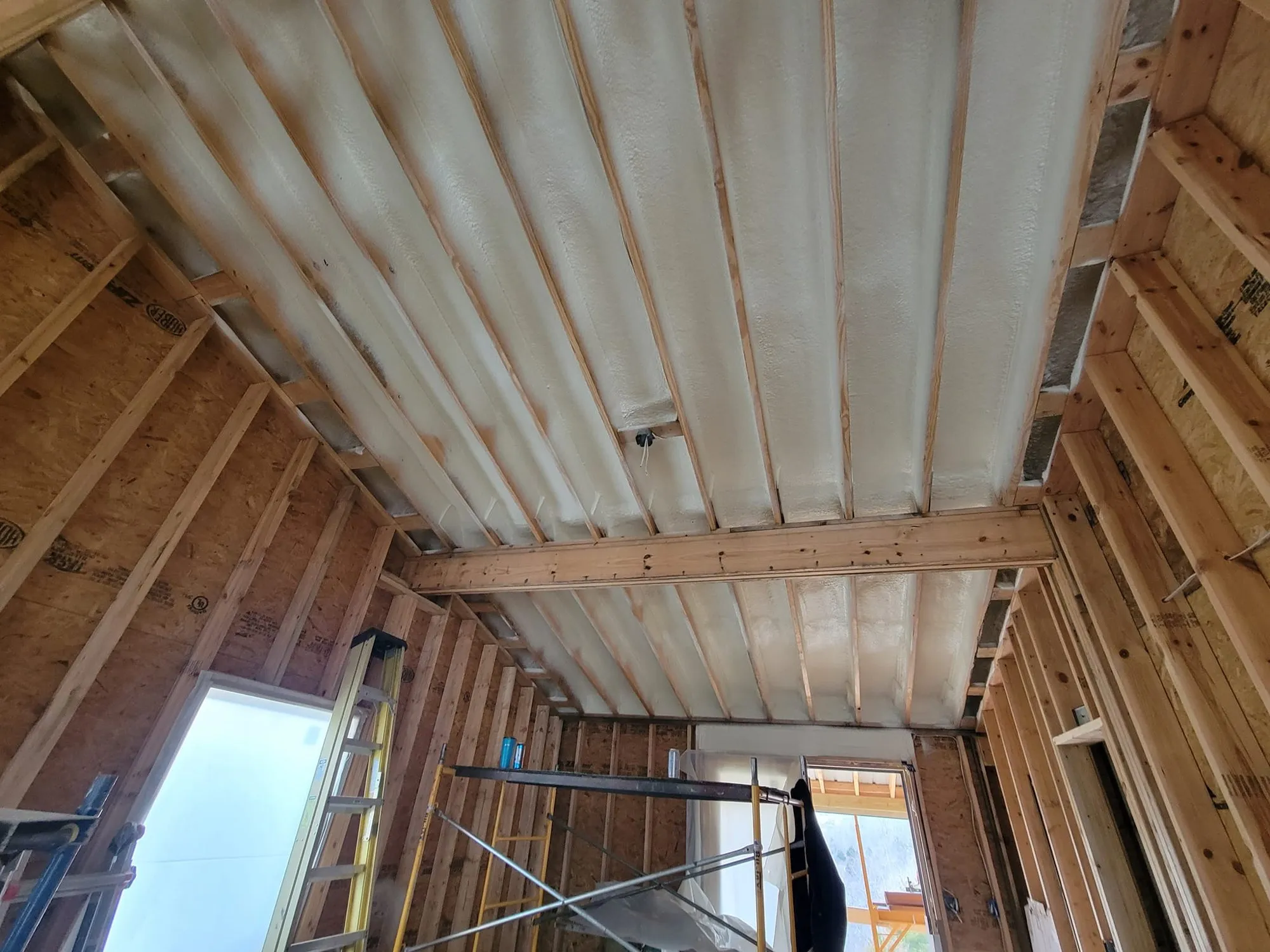
Why Spray Foam?
Insulation is not only about material in a cavity. It is about controlling how heat, air and moisture move through the building.
The Envelope Does the Work
Your roof, walls, ceilings, rim areas, windows, doors and insulation all work together as the boundary between indoor comfort and outdoor conditions.
Midwest weather is unpredictable, with freezing winters and humid summers. In that climate, air leaks can matter as much as the insulation material itself.
Air sealing addresses hidden movement paths. Spray foam insulation can combine insulation and air control where the assembly is appropriate.
Spray Foam, Fiberglass and Cellulose Are Different Tools
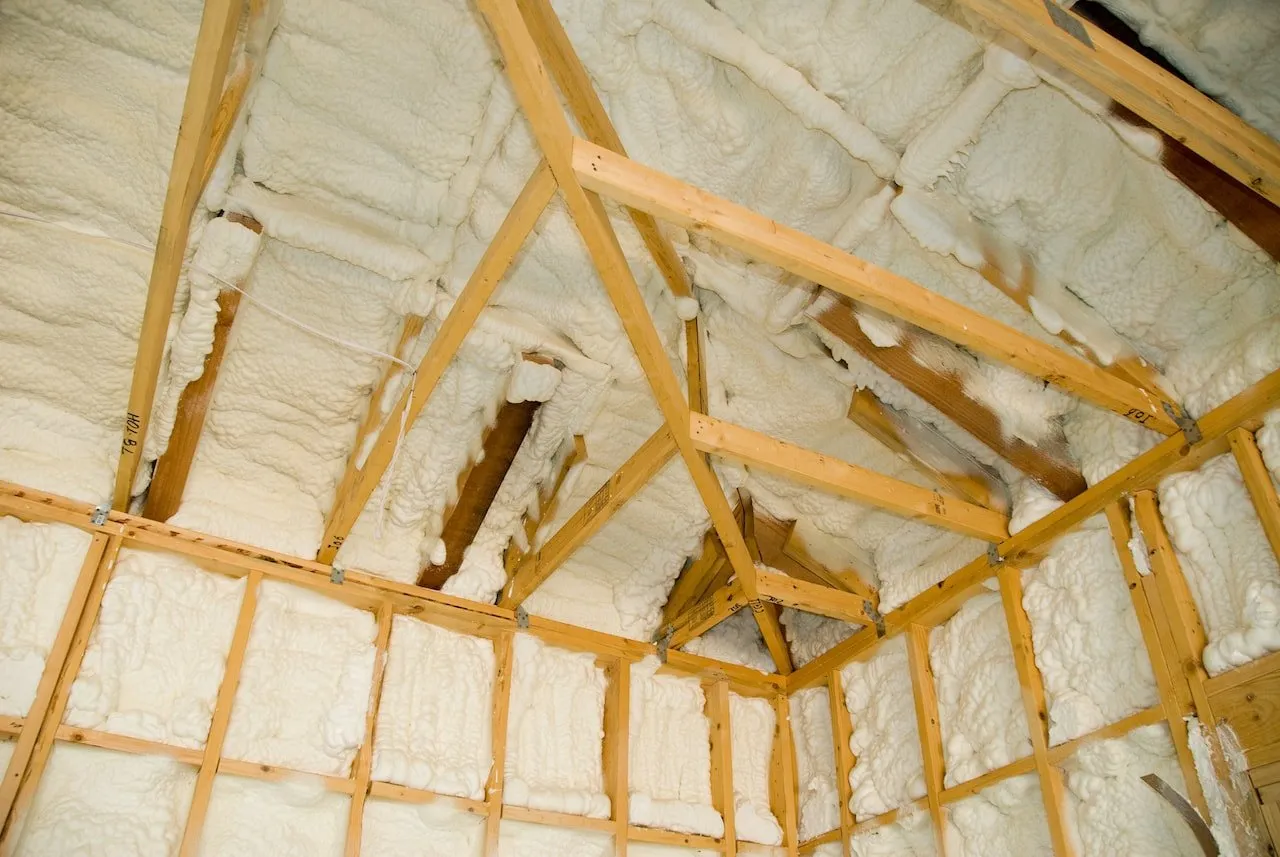
Spray Foam
- Insulation plus air-sealing capability
- Expands to fit irregular spaces
- Professional installation required
- Choice between open-cell and closed-cell foam
Fiberglass
- Common batt or blown material
- Primarily thermal insulation
- Can perform well when properly installed
- Air sealing may require separate work
Cellulose
- Often used as loose-fill or dense-pack insulation
- Common in older attics and retrofit work
- Condition and access affect next steps
- May need removal before some spray foam scopes
It Depends on the Assembly
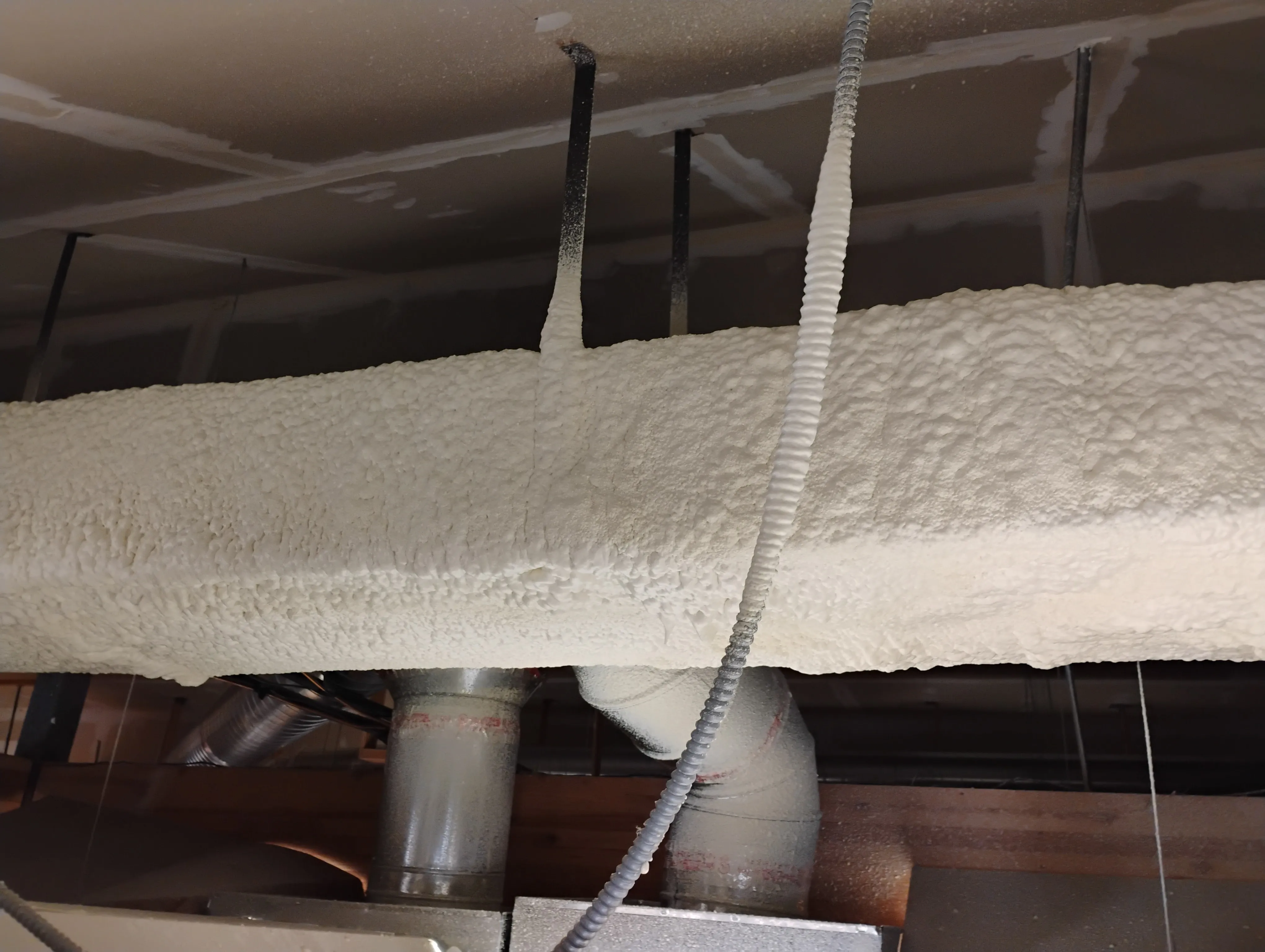
Spray foam may make sense for drafty areas, open cavities, roof decks, attic transitions, basements, garages, shops, metal buildings and commercial interiors. It may not be the first answer when access, moisture strategy or existing insulation conditions point to a different scope.
That is why Heartland's service pages separate open-cell spray foam, closed-cell spray foam, air sealing and insulation removal.
Talk Through the ProjectQuestions People Ask Before Choosing Spray Foam
Is spray foam always the right choice?
No. The right insulation approach depends on the building assembly, existing insulation, moisture strategy, access and project goals.
What makes spray foam different?
Spray foam expands during application, so it can insulate while also helping reduce unwanted air movement where properly installed.
How do open-cell and closed-cell differ?
Open-cell is lighter and expands more into cavities. Closed-cell is denser and can offer a higher insulation value per inch. The better choice depends on the use case.
Can spray foam help with ice dam conditions?
Air leakage and attic heat movement can contribute to roofline problems. Spray foam or air sealing may be part of the solution, but the attic and roof assembly should be evaluated first.
You Do Not Have to Pick the Foam Type Alone.
Describe the building and the problem. Heartland can help determine the next step.